I've Been Early to Everything. This Time I'm Only Six Months Ahead. Here's Why That's Great News for You.
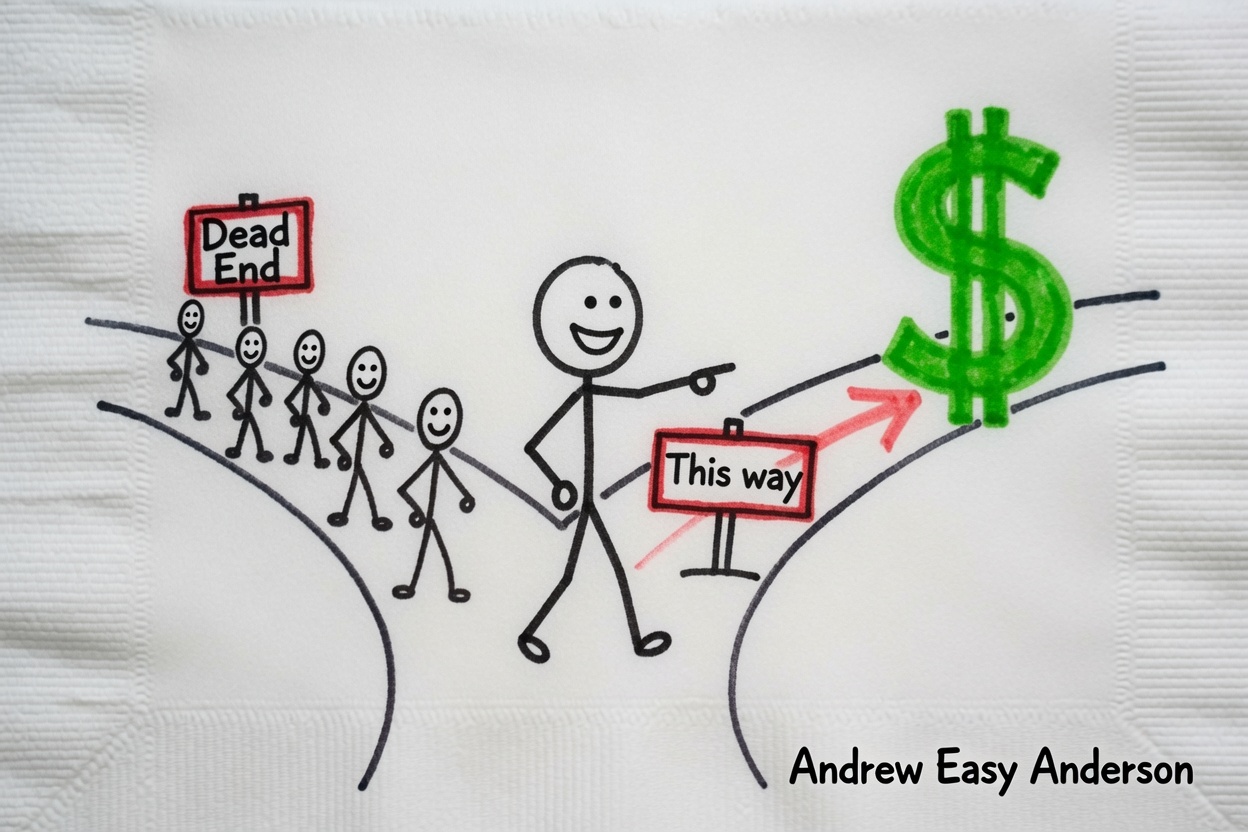
Let me tell you something about myself that my friends find hilarious and my clients find extremely useful.
I have a gift. And after 40 years I've finally made peace with the fact that it has always been a blessing — even when it didn't feel like one at the time.
I see where things are going before most people realize they're moving. Voice interfaces. Online job boards. Live streaming. Token-based payments. AI-driven search. I've been in all of these spaces before they had names — built things, learned things, made money, helped clients make money, and occasionally watched someone with a bigger marketing budget take the idea mainstream about a decade later while I was already off building the next thing.
Here's the part that used to make me shake my head and now just makes me smile: I was right every single time.
Let me give you a few examples, because I promise they're more fun than a resume.
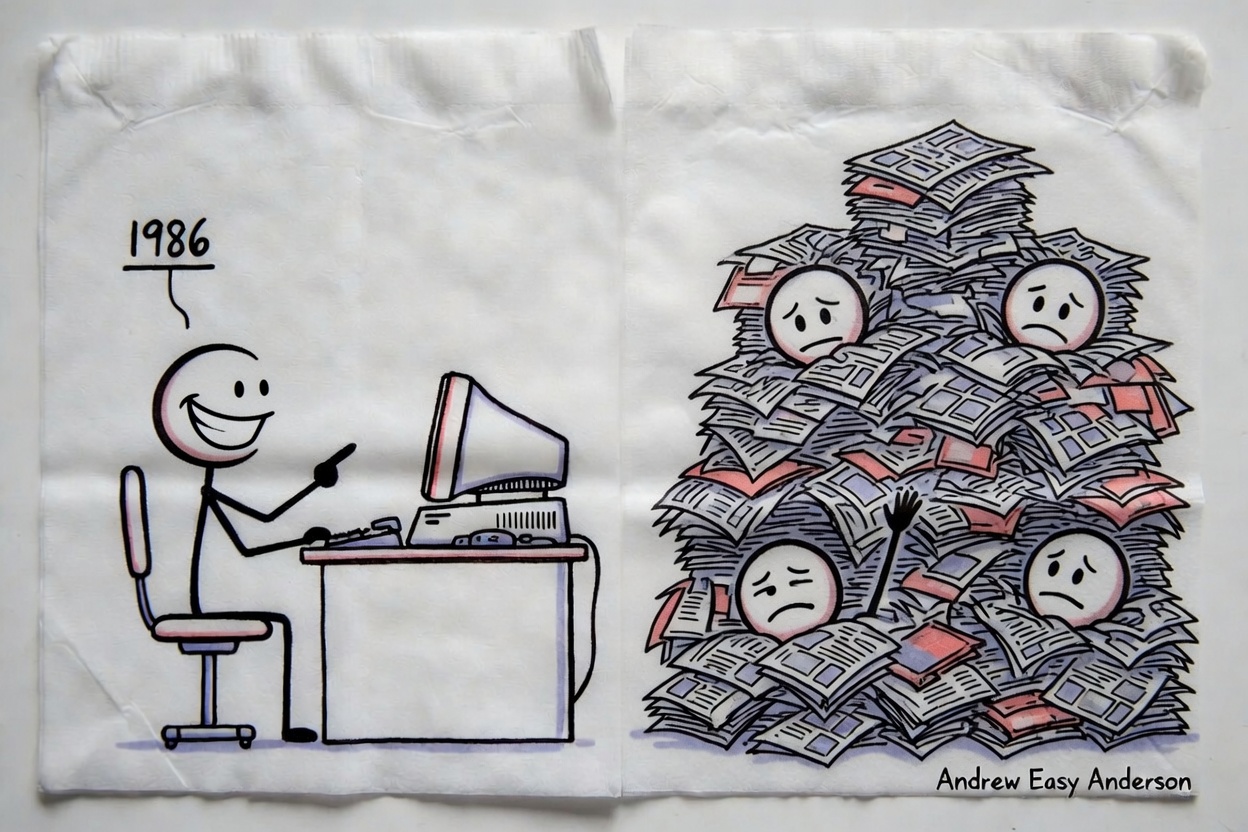
Back in 1986 — before the World Wide Web existed, before most people knew what a modem was — I was running one of the first online job boards in the country on CompuServe. Medical jobs specifically. And because doing things the simple way has never really been my style, I also built a voice response system from scratch using parts sourced from Computer Shopper magazine. People could dial a phone number, search hospital job listings, and get a voice response. In 1986. On a dial-up modem.
Did I crack the code on scaling it? No. Was I right about where things were going? Indeed. Pun absolutely intended.
Around the same time I was working on the sales and development of one of the first commercial voice input systems ever built. The original prototype is now in the Smithsonian Institution — which I think is a pretty solid endorsement, even if it took thirty years to get there. I also built a voice-activated vending machine and pitched it to Coca-Cola in Atlanta. They passed. Bless their hearts.
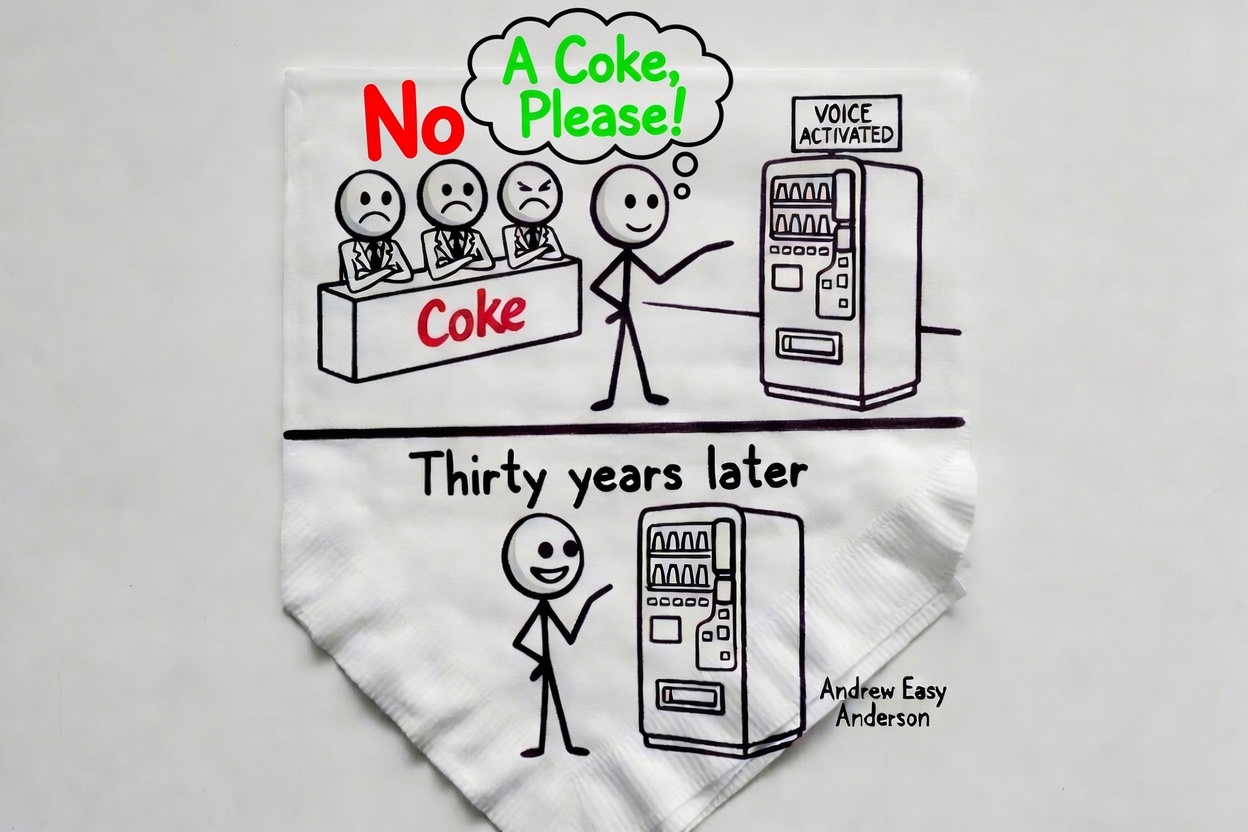
Every vending machine on the planet now takes cashless payments and half of them have touchscreens.
I genuinely find it funny. And more importantly — the clients who paid attention when I told them something was coming have done extremely well. That's always been the real value.
Now here's where it gets interesting.
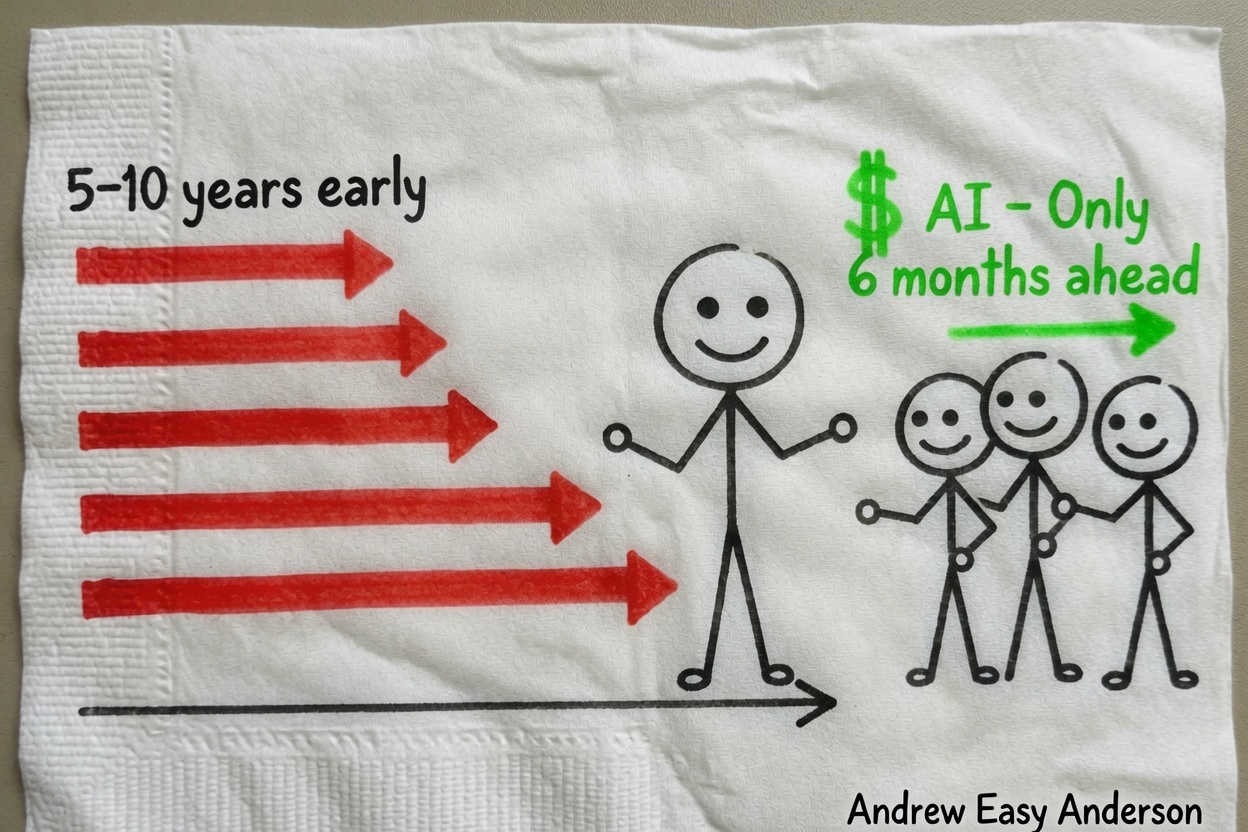
With everything else — voice, streaming, online commerce, social platforms — I was five to ten years early. Sometimes more. But with AI, something is different. I'm only about six months ahead.
That gap has never been this small in my career. And what that means practically is that the window between "Easy sees it coming" and "everyone else catches up" is now measured in months, not years.
AI isn't just about search visibility — though that matters enormously and is something we fix for our clients every day. It's about implementation across every area of your business. Customer acquisition. Lead follow-up. Content. Operations. Sales processes. The businesses that are weaving AI correctly into how they actually run — not just bolting it on as a gimmick — are seeing immediate, measurable results. Lower costs. Faster response times. Better conversions. More revenue.
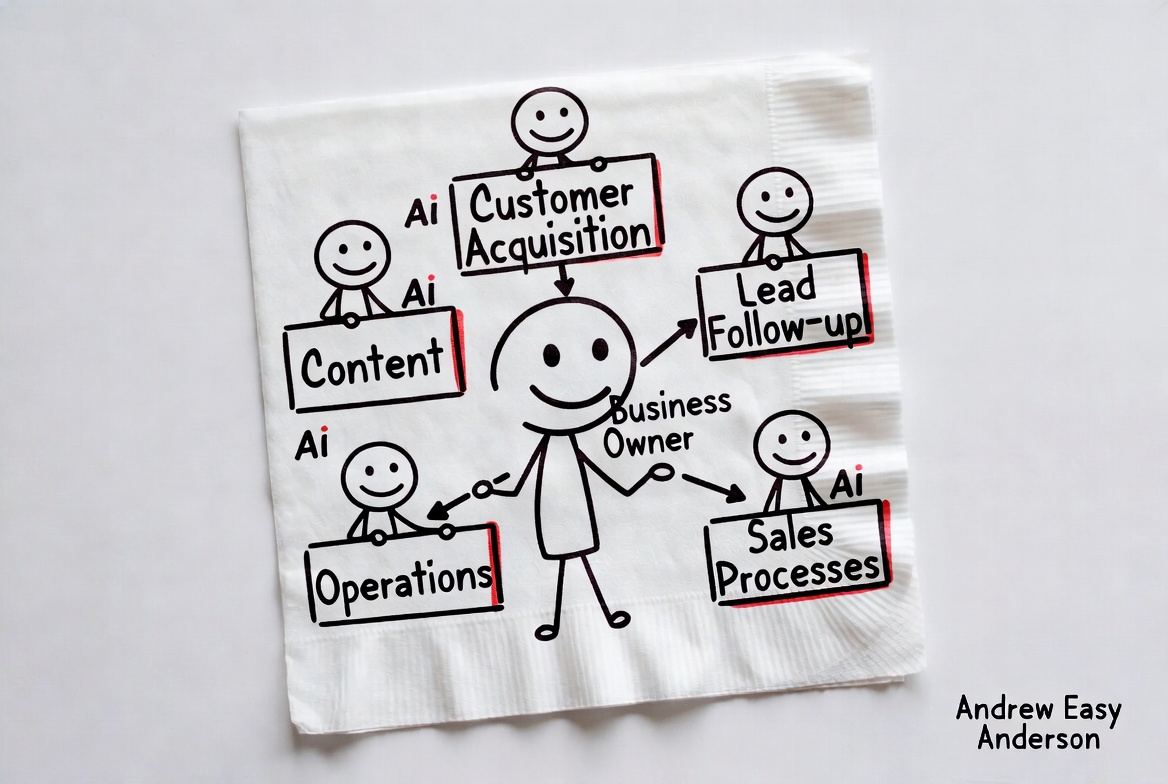
That's what we do. We build the complete system, implement it correctly, and make sure you see results you can point to right away — not six months from now.
I've spent 40 years being early. I know exactly what it looks like when a wave is about to break. This one is breaking right now, while we're having this conversation.
That's where I come in.
And if you're ready to ride the tiger by its tail and get first mover advantage — that's really where I come in. Because now with AI, when it's implemented quickly, correctly, and incrementally, you can end up dominating your niche. Even small companies can take out the big ones. And big companies can get even bigger.
Period.

Cheers,
Andrew Easy Anderson
Ready to get ahead? Start a conversation

What does "early to everything" mean here?
Nearly every wave of this career, mainframes, live-streamed video, WordPress, Pinterest integrations, started five to ten years before it was obvious to anyone else.
How is AI different from those earlier waves?
The lead time is much shorter. Past waves gave years of head start. AI gives about six months.
What's the throughline?
Building things before there's a template, then figuring out the rest by doing it.